JavaScript Functions
A JavaScript function is a block of code designed to perform a particular task.
A JavaScript function is executed when “something” invokes it (calls it).
- JavaScript Function Syntax A JavaScript function is defined with the function keyword, followed by a name, followed by parentheses ().
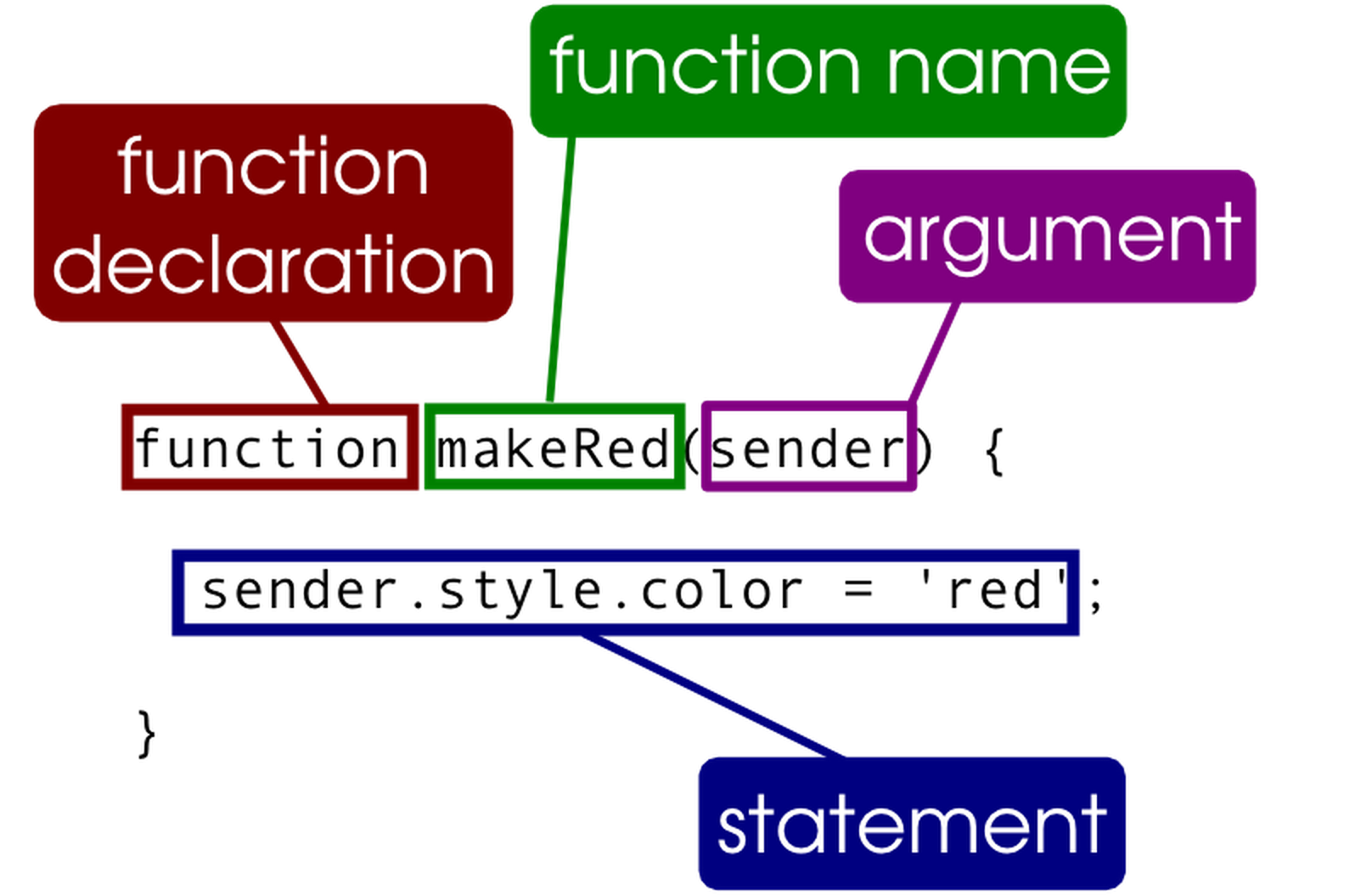
Function names can contain letters, digits, underscores, and dollar signs (same rules as variables).
The parentheses may include parameter names separated by commas: (parameter1, parameter2, …)
The code to be executed, by the function, is placed inside curly brackets: {}
for example :
function name(parameter1, parameter2, parameter3) {
// code to be executed
}
- ** Function Invocation**
The code inside the function will execute when “something” invokes (calls) the function:
When an event occurs (when a user clicks a button) When it is invoked (called) from JavaScript code Automatically (self invoked)
- Function Return When JavaScript reaches a return statement, the function will stop executing.
If the function was invoked from a statement, JavaScript will “return” to execute the code after the invoking statement.
-
** Functions Used as Variable Values** Functions can be used the same way as you use variables, in all types of formulas, assignments, and calculations.
-
Local Variables
Variables declared within a JavaScript function, become LOCAL to the function.
Local variables can only be accessed from within the function.
Since local variables are only recognized inside their functions, variables with the same name can be used in different functions.

JavaScript Operators
- JavaScript Arithmetic Operators
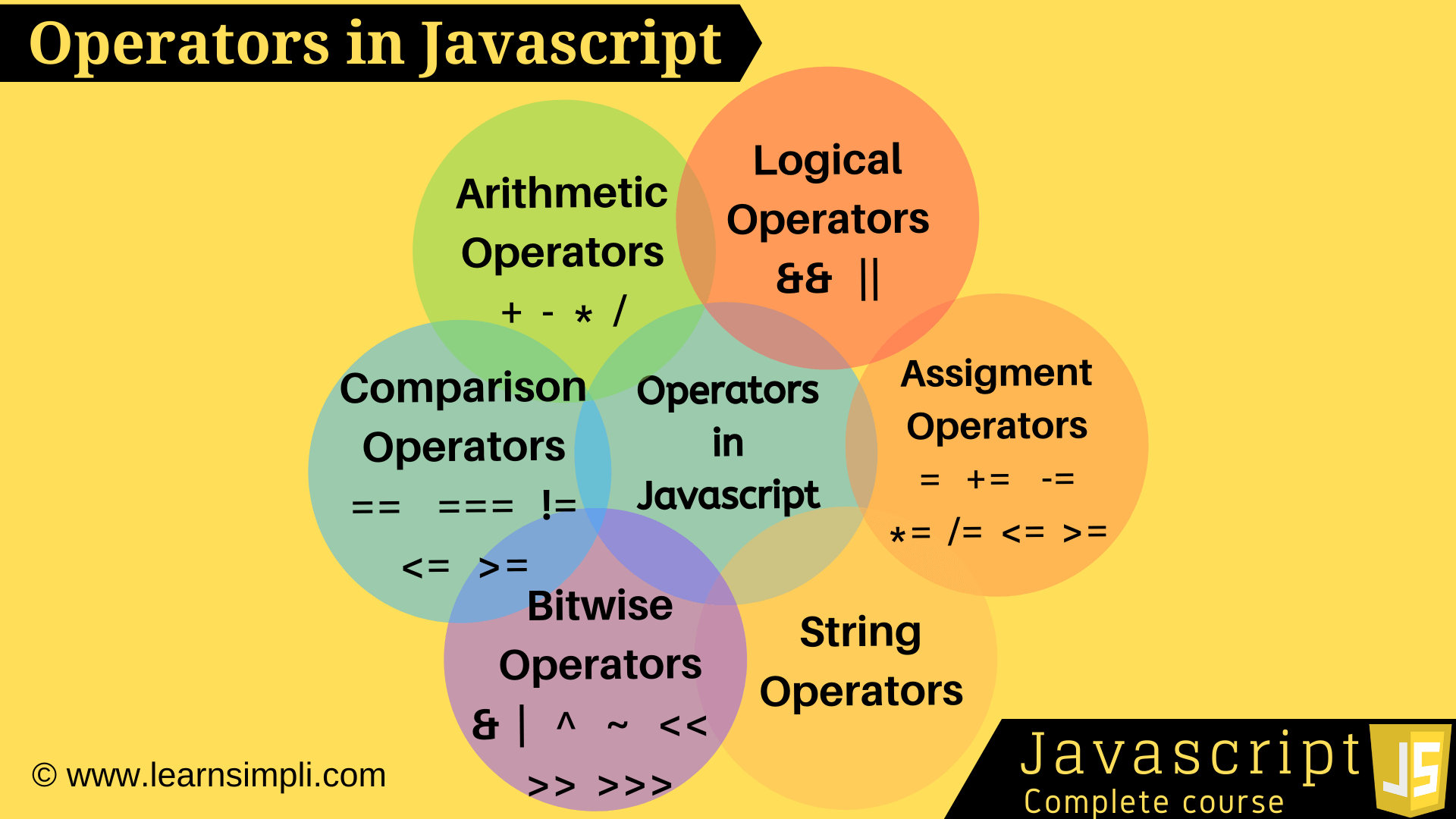
- The Below Pic Explain All Type of the operator .